 Pin It
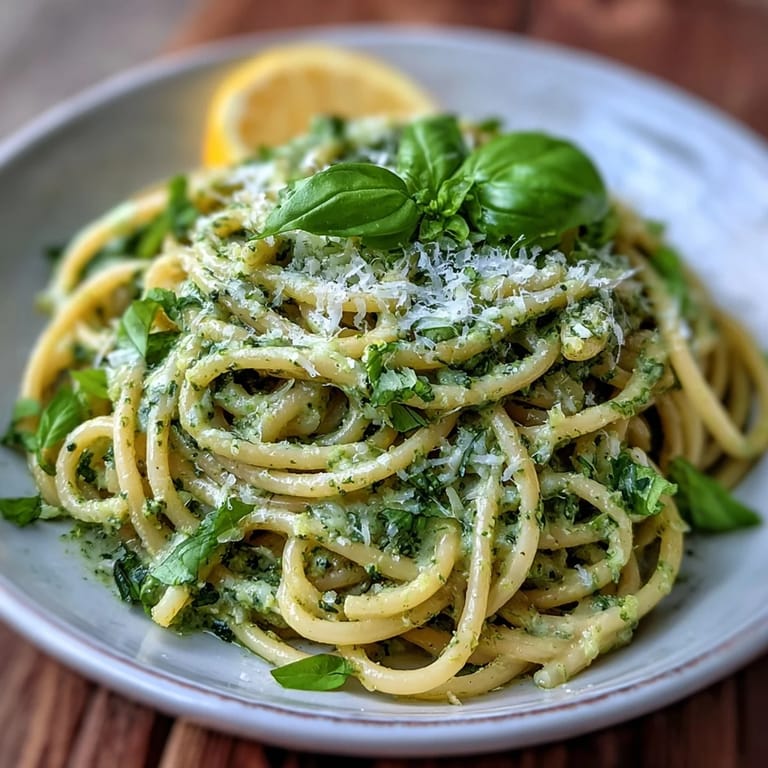
 The first time the scent of lemon and basil filled my kitchen, I laughed at how a single zest could shift the mood of an ordinary Tuesday. There was a late afternoon glow slipping across the counter and bits of Parmesan dust still clinging to my fingertips as I swirled the pasta. No big dinner party – just me experimenting, curious about blending sunshine and herbs into something speedy but special. It almost felt too easy for a meal that seemed to brighten the whole room. Somehow, that's when I realized how much a fresh pesto can wake up even the simplest day.
I once tossed this pasta together for friends arriving unexpectedly on a warm Saturday evening, and nobody could stop talking about the aroma—one even paused mid-story just to ask what was in it. We ended up eating outside, forks twirling pasta, the last of the sun disappearing behind a neighbor’s fence. I had meant to make something fancier, but this bright tangle of lemony noodles and herbs turned out to be just right that night.
Ingredients
- Linguine or spaghetti: Choose a pasta shape that clings to sauce well—I've found linguine lets the pesto coat each strand beautifully, but spaghetti is lovely too.
- Fresh basil leaves: Fragrant, sweet, and peppery, basil is the soul of this pesto; always pack the leaves gently to avoid bruising them.
- Pine nuts: Toasting them until golden brings out their natural buttery flavor, which adds real depth to the final sauce.
- Freshly grated Parmesan cheese: Skip pre-shredded—fresh Parmesan melts in with creamy, nutty notes that define the pesto.
- Garlic cloves: Two cloves are just enough to lend backbone without overwhelming the delicate citrus and basil.
- Lemon zest and juice: The combination of zest and juice makes the pesto taste incredibly vibrant and aromatic; use a microplane for fine, fluffy zest.
- Extra-virgin olive oil: A good quality oil brings silkiness and subtle fruitiness to the mix, so use your best bottle here.
- Salt and freshly ground black pepper: Season to taste at the very end; a little goes a long way in drawing out all the fresh flavors.
- Extra Parmesan, lemon zest, and basil leaves: I like to layer these as garnishes; that pop of fresh lemon on top makes every bite sparkle.
Tired of Takeout? 🥡
Get 10 meals you can make faster than delivery arrives. Seriously.
One email. No spam. Unsubscribe anytime.
Instructions
- Cook the pasta:
- Fill a big pot with salted water and bring it to a rolling boil—listen for that gentle bubbling as you drop in the pasta. Stir occasionally, tasting for that perfect al dente bite, and don’t forget to save a splash of the cooking water before draining.
- Make the lemon-basil pesto:
- Load up the food processor with basil, toasted pine nuts, fresh Parmesan, garlic, lemon zest, and lemon juice. Pulse until it’s finely chopped, taking a moment to breathe in that herbal-citrusy burst.
- Add the olive oil:
- With the processor running, pour in the olive oil in a slow, steady stream until the pesto is creamy but still with a bit of texture—taste and season with salt and pepper as needed.
- Toss pasta with pesto:
- Return the drained pasta to the warm pot, spoon over the pesto, and finish with a good splash of the reserved pasta water. Toss everything together so that each strand glistens; add a little more water if the sauce needs extra silkiness.
- Finish and serve:
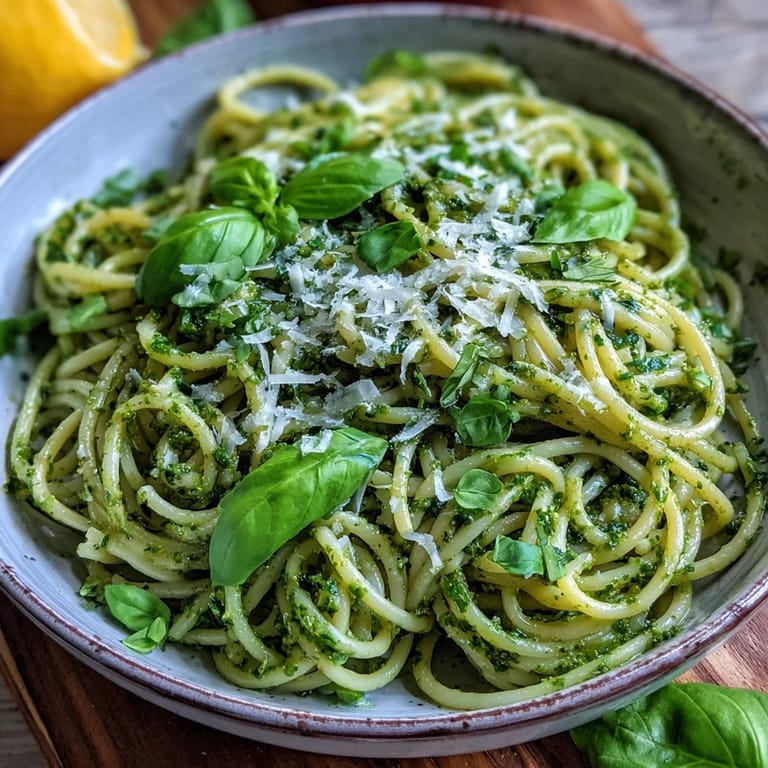
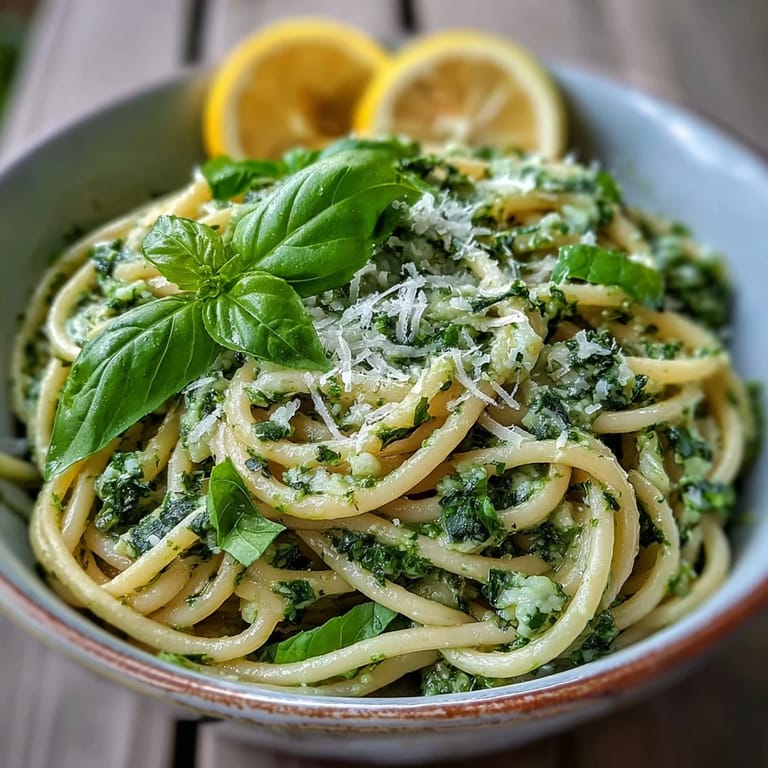
- Plate up the pasta, sprinkle lavishly with extra Parmesan, lemon zest, and basil leaves. Serve right away, when it’s at its fragrant, steamy best.
 Pin It
 There was a quiet moment when I brought this dish to my sister after a rough week. We sat together at her kitchen table, talking quietly and letting the bright flavors do some gentle lifting, and for a little while the world felt lighter. It’s times like that when pasta is more than dinner—it’s comfort you can share.
Ways to Make It Your Own
Sometimes I riff on the recipe with whatever is on hand: tossing in blanched peas, roasted asparagus, or grilled summer squash just to add more color and texture. Even a handful of arugula stirred in at the last second can bring a peppery brightness. You can play with the garnishes, too—try toasted bread crumbs for crunch or a swirl of ricotta for extra richness.
Choosing the Right Pasta
I discovered that slightly thicker shapes like linguine hold onto the silky pesto so well, but short pastas like fusilli work great if you want every nook coated in vibrant green. It’s fun to switch things up depending on what’s in your pantry or what you’re craving that day. If you’re experimenting with gluten-free pasta, I suggest cooking it just shy of al dente to prevent it from falling apart when tossed.
Pesto Perfection Every Time
Over time, I learned that making the pesto ahead and letting it rest in the fridge for an hour deepens the flavors, making that lemony freshness even more pronounced. Always give your ingredients a quick sniff—fresh basil should be perky and fragrant, not limp. If your pesto thickens after chilling, a bit of pasta water brings it right back to silkiness.
- Avoid over-processing the pesto or it can turn a bit bitter—pulse just enough for small flecks.
- Clean your food processor right away so the garlic aroma doesn’t linger.
- Make sure to taste and adjust seasoning before tossing with the pasta.
 Pin It
 This Lemon Pesto Pasta never fails to bring some sunshine to the table, no matter the season. I hope it sparks a little joy in your kitchen, too.
Recipe FAQs
- → How can I make the pesto extra creamy?
Blend the pesto ingredients thoroughly and add a little pasta water to emulsify for a silkier sauce.
- → Can I prepare the lemon-basil pesto ahead of time?
Yes, store the pesto in an airtight container with a layer of olive oil on top for up to 3 days in the fridge.
- → What pasta shapes work best for this dish?
Linguine and spaghetti coat beautifully, but penne or fusilli also catch the pesto well.
- → Is there a vegan alternative to Parmesan cheese?
Try nutritional yeast or a plant-based hard cheese alternative for a similar savory flavor.
- → How do I avoid overcooking the pasta?
Cook the pasta just until al dente and quickly drain it, reserving some cooking water before combining with sauce.
- → Which wine pairs well with this?
Light white wines like Sauvignon Blanc or Pinot Grigio complement the zesty, herbal notes perfectly.