 Pin It
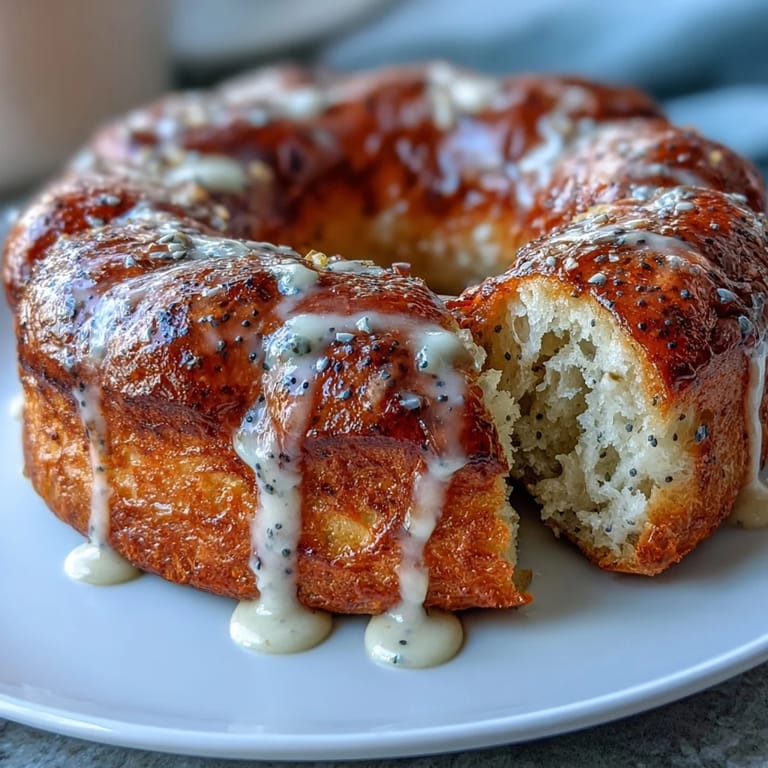
 One Saturday morning, I stood in my kitchen watching the sunlight pour through the window while my coffee cooled on the counter, and I wondered if it was possible to make a bagel that didn't feel heavy. My gym routine had me thinking about protein, but mostly I was craving something bright and lemony that wouldn't weigh me down before a long day ahead. I grabbed my Greek yogurt and lemon, and what emerged from my oven was something that surprised me—fluffy, tangy, and somehow both indulgent and nourishing at once.
I made these for my sister during one of her visits, and I'll never forget how she bit into one while still warm from the oven, then went completely quiet. She looked at me with this expression of genuine surprise, like she'd expected a dense protein brick but got something actually delicious instead. That moment—her reaching for a second one without asking—told me I'd figured out something worth repeating.
Ingredients
- Bread flour: This is your structure, the thing that gives these bagels their chew; all-purpose works in a pinch, but bread flour really does make a noticeable difference in how these turn out.
- Vanilla or unflavored whey protein powder: The secret to keeping these light without sacrificing substance; vanilla adds subtle sweetness if you go that route, but unflavored keeps the lemon front and center.
- Poppy seeds: These aren't just for texture—they add an earthy, almost nutty note that plays beautifully against the bright lemon.
- Baking powder: Essential for lift; don't skip this or your bagels will feel more dense than you want.
- Fine sea salt: Honestly, this tiny pinch does more work than you'd think, sharpening the lemon and balancing the sugar.
- Granulated sugar: Just enough to give the dough a subtle sweetness; too much and you lose the lemon's brightness.
- Lemon zest from 2 lemons: This is where the magic starts; fresh zest is non-negotiable, and I always zest before juicing because you'll need both.
- Plain Greek yogurt: Low-fat or non-fat works best here, and yes, this replaces your water and adds that protein-rich tang that makes these special.
- Large egg: Binds everything together and adds richness without excess fat.
- Lemon juice: Freshly squeezed, not bottled—there's a brightness in fresh juice that matters here.
- Unsalted butter, melted: A small amount keeps things tender; you could use coconut oil if you prefer, and honestly it works just as well.
- Honey for boiling: This keeps the bagel exterior tender and adds a subtle sweetness that the glaze echoes later.
- Powdered sugar: For the glaze, and it dissolves smoothly with lemon juice to create something that sets just right.
Tired of Takeout? 🥡
Get 10 meals you can make faster than delivery arrives. Seriously.
One email. No spam. Unsubscribe anytime.
Instructions
- Gather and prep your space:
- Preheat your oven to 375°F and line a baking sheet with parchment paper. Get your tools within arm's reach because once you start mixing, you'll want to keep moving smoothly through the next steps.
- Combine the dry team:
- In a large bowl, whisk together your bread flour, protein powder, poppy seeds, baking powder, salt, sugar, and lemon zest until everything is evenly distributed. You'll notice the mixture smells citrusy already—that's how you know the zest is doing its job.
- Mix the wet ingredients:
- In a separate bowl, stir Greek yogurt, egg, lemon juice, and melted butter together until it's smooth and homogeneous. This mixture should feel creamy and slightly thick.
- Bring it together:
- Pour your wet ingredients into the dry mixture and mix with a wooden spoon until a shaggy dough begins to form. Then switch to kneading by hand for about 2 to 4 minutes until the dough becomes soft and slightly tacky but not sticky.
- Adjust as you go:
- If your dough feels too dry and crumbly, add a tablespoon of yogurt at a time; if it's too sticky to handle comfortably, dust with a bit more flour. Trust your hands here—they'll tell you when it's right.
- Shape your bagels:
- Divide your dough into 8 equal portions, then roll each one into a smooth ball. Using your thumb, poke a hole in the center of each ball and gently stretch to form a bagel shape with a hole about an inch in diameter.
- Let them rest:
- Arrange your shaped bagels on the prepared baking sheet, cover loosely with a towel, and let them rest for 15 minutes. This brief rest allows the gluten to relax slightly and makes boiling easier.
- Prepare your boiling station:
- While the bagels rest, bring a large pot of water and honey to a gentle boil. The honey adds subtle sweetness and helps maintain the bagel's tender crust.
- Boil with care:
- Working in batches so you don't overcrowd the pot, use a slotted spoon to gently lower bagels into the simmering water. Boil for 30 seconds on each side, then remove with the spoon and let excess water drip off before returning to your baking sheet.
- Egg wash and color:
- Brush each boiled bagel with your beaten egg wash, which will give them a beautiful golden sheen as they bake. Don't skip this step—it's the visual promise of what's inside.
- Bake until golden:
- Bake for 18 to 22 minutes, watching until they're a deep golden brown and cooked all the way through. When you tap the bottom, it should sound hollow.
- Cool properly:
- Transfer your baked bagels to a wire rack and let them cool completely. This prevents condensation that would make them soggy.
- Make and apply the glaze:
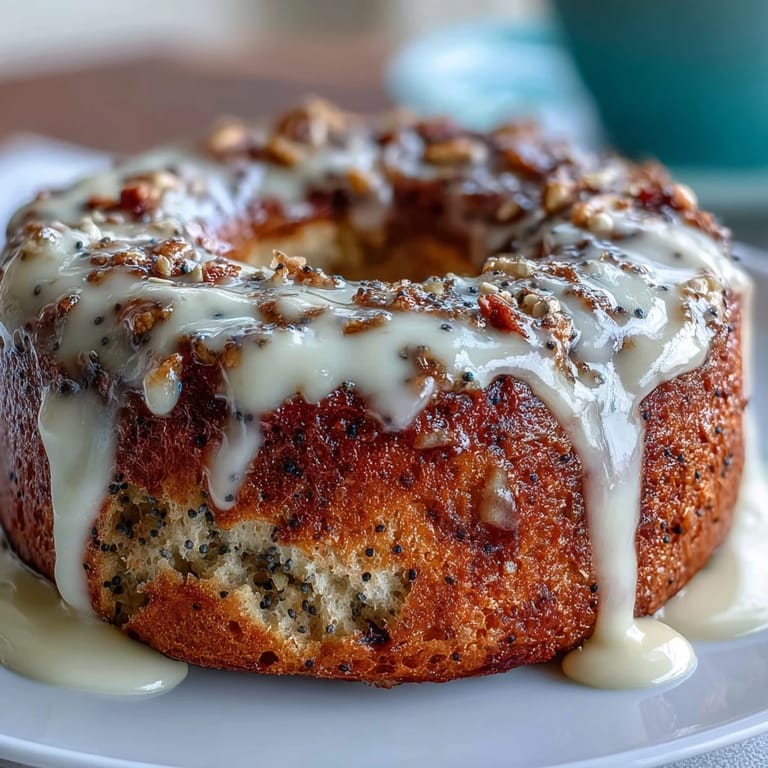
- While your bagels cool, whisk together powdered sugar, fresh lemon juice, and lemon zest until smooth. Drizzle generously over the cooled bagels and let the glaze set before serving.
 Pin It
 There's something about serving warm lemon poppy seed bagels to people you care about that feels like sharing a small piece of yourself. Years ago, a friend mentioned she'd stopped eating bagels because they always left her feeling sluggish, and when she tasted one of these, she called me the next day to ask for the recipe—not because she wanted to make them, but because she wanted them again. That's when I realized I'd stumbled onto something that bridges a gap between what tastes good and what actually makes you feel good.
Why Fresh Zest Changes Everything
I used to think lemon extract was an acceptable substitute until I stood at my counter with both options and tasted the difference side by side. Fresh zest has this bright, almost electric quality that extract simply can't match; it's the actual oils from the lemon skin doing the talking. If you buy pre-zested lemon, you're settling for something that's already lost most of its intensity, so take the two minutes to zest your own lemon just before you use it.
The Boiling Step Explained
When I first tried making bagels at home, I thought boiling seemed unnecessarily complicated, so I skipped it and went straight to baking. What came out was technically a lemon bagel, but it was heavy and bread-like, missing that signature chewy bite that makes a bagel worth eating. That single pot of water is what separates a bagel from a lemon-flavored roll, so please don't skip it.
Storage and Second-Life Ideas
These bagels stay fresh in an airtight container for about three days at room temperature, and they freeze beautifully for up to two months—slice them before freezing if you want quick toast-and-go mornings. I've discovered that they're absolutely stunning toasted and topped with light cream cheese, but my favorite move is splitting one and making a breakfast sandwich with a scrambled egg and a sliver of smoked salmon.
- Toast frozen bagels directly from the freezer for a few extra minutes and they taste nearly as fresh as the day you made them.
- Try topping them with almond butter and a drizzle of raw honey for a completely different vibe that still honors the lemon.
- Leftover glaze can be thinned with more lemon juice and used to dress quick yogurt parfaits or drizzle over scones.
 Pin It
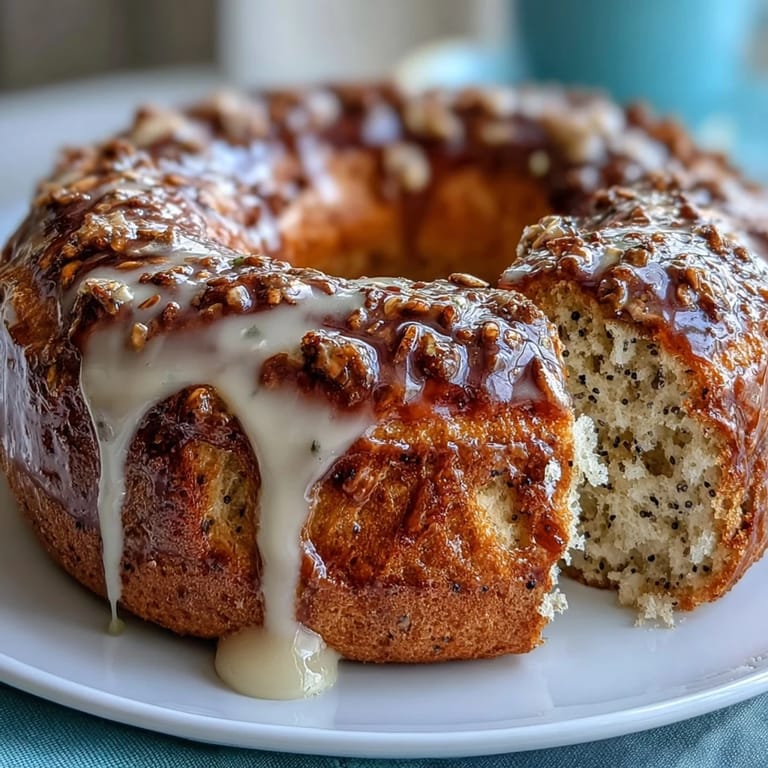
 These lemon poppy seed bagels taught me that healthy eating doesn't mean sacrificing flavor or joy, and that sometimes the simplest ideas—Greek yogurt, fresh lemon, protein powder—combine into something truly worth making again and again. I hope they become a weekend ritual in your kitchen too.
Recipe FAQs
- → How does boiling the dough affect the texture?
Boiling the dough briefly before baking creates a chewy crust by gelatinizing the starch on the surface, giving bagels their characteristic texture.
- → Can I use a different protein powder?
Yes, you can substitute vanilla or unflavored whey protein with plant-based alternatives, though texture and flavor may vary slightly.
- → What is the role of Greek yogurt in the dough?
Greek yogurt adds moisture and tenderness to the dough while contributing to a rich flavor and slight tanginess.
- → How to store and keep bagels fresh?
Store bagels in an airtight container at room temperature for up to 3 days or freeze for longer periods to maintain freshness.
- → Can I enhance the lemon flavor further?
Adding a few drops of lemon extract to the dough or glaze intensifies the citrus aroma without altering texture.
- → What are good serving suggestions?
These bagels are delicious toasted with light cream cheese, almond butter, or your preferred spread for a balanced snack.