 Pin It
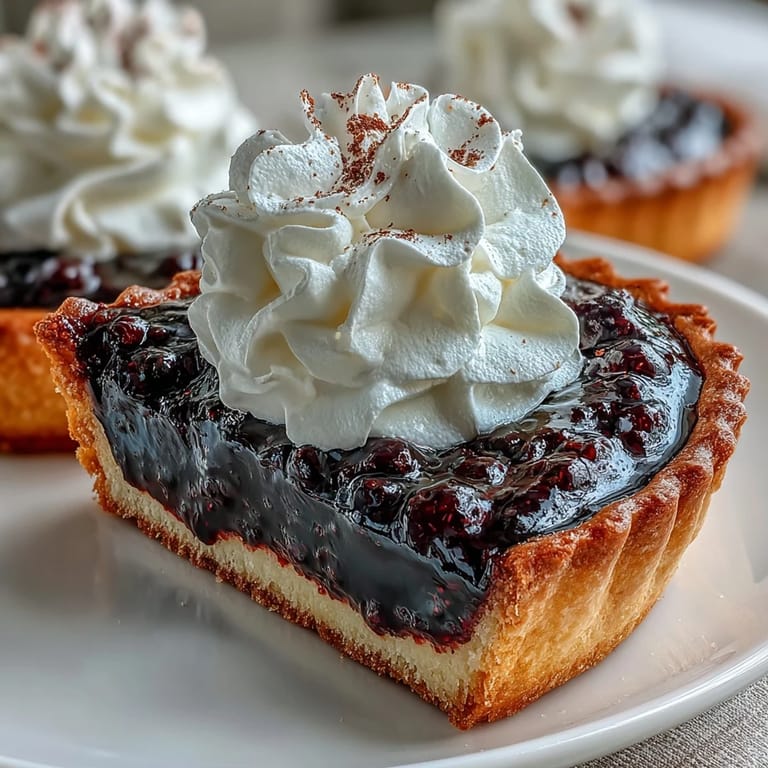
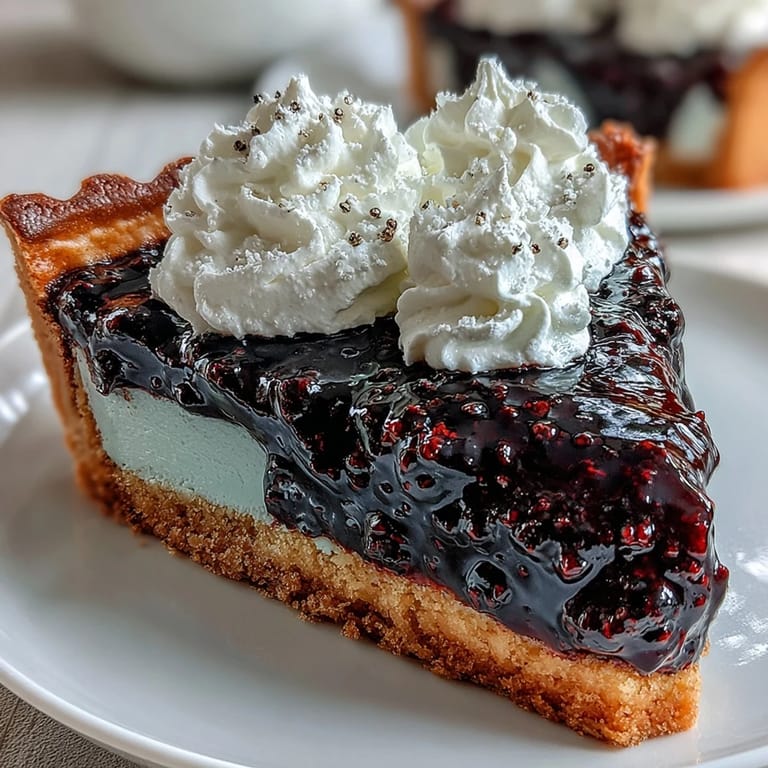
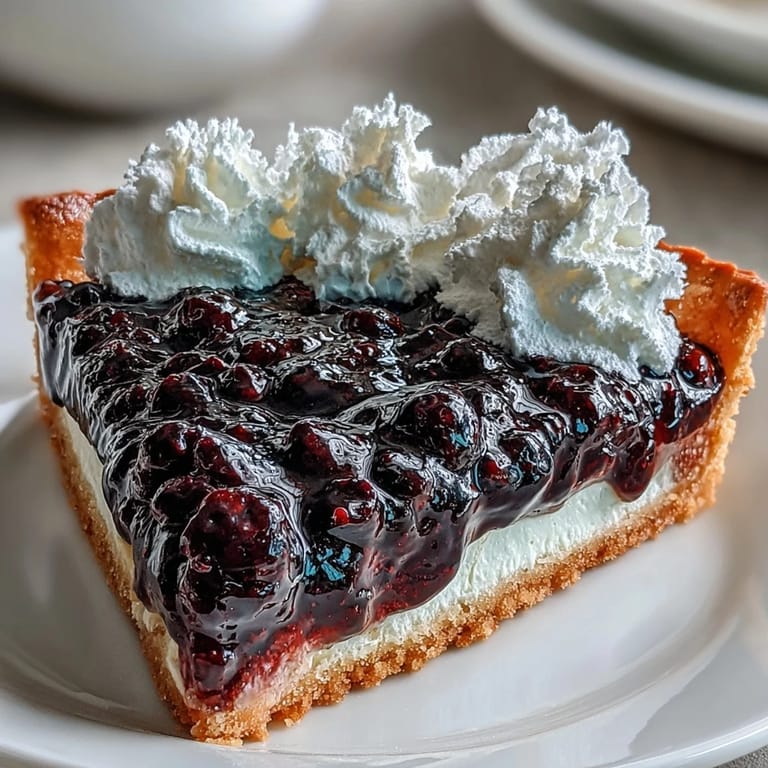
 There's something about black currants that stops you mid-bite—that sharp, almost wine-like tang that makes your mouth wake up. I discovered this tart during a rainy afternoon in a small patisserie outside Lyon, where the owner, an older woman with flour perpetually on her apron, insisted I try a slice warm from the cooling rack. The way the jewel-toned curd gleamed beneath that cloud of cream felt less like dessert and more like edible art, and I spent the entire train ride home trying to reverse-engineer what I'd tasted.
I made this for my sister's engagement dinner, and honestly, I was terrified the curd would break or the pastry would crack under the weight of my nervousness. But something shifted when I started stirring that saucepan—the focused, rhythmic motion calmed my hands, and by the time I piped that whipped cream, I'd already accepted that imperfection is part of the charm. When my brother-in-law ate his slice, he closed his eyes, and that moment alone made every minute of work worth it.
Ingredients
- All-purpose flour: The foundation of your pastry, and here's the truth I learned the hard way—don't sift it unless you want to add extra air and create a crumbly mess; just spoon it gently into the measuring cup and level it off.
- Unsalted butter, cold and diced: Cold butter is non-negotiable; it creates those tiny pockets that make pastry shatter rather than crumble, so chill it even before you dice it.
- Powdered sugar: Adds subtle sweetness to the pastry without making it tough, and it dissolves instantly so your dough stays tender.
- Salt: Just a whisper, but it amplifies the butter's flavor and keeps the curd from tasting one-dimensional.
- Egg yolk: Binds everything while adding richness that you'll taste in every bite.
- Ice water: The secret to restraint; you want just enough to bring the dough together without overworking it, which is why I always start with 2 tablespoons and add more by the teaspoon if needed.
- Fresh or frozen black currants: Frozen actually works beautifully here because they're picked at peak ripeness; if you can't find them, don't skip this tart—use blackberries or raspberries and adjust the sugar slightly since currants are more tart.
- Granulated sugar: Necessary for cooking with the currants, creating that jammy base before you whisk in the eggs.
- Eggs and egg yolks: These create the silky curd texture through gentle, patient cooking; rushing the heat will scramble them into grainy disappointment.
- Lemon juice and zest: The brightness that makes people lean back and say what is that flavor, keeping the curd from feeling heavy.
- Unsalted butter for the curd: Whisked in at the end, it adds luxury and stability to your finished curd.
- Heavy cream, cold: Cold equipment and cold cream whip faster and hold peaks longer, so don't skip the chill.
- Powdered sugar for topping: Dissolves instantly and won't create a gritty texture in your whipped cream.
- Vanilla extract: A small gesture that rounds out the cream's flavor without announcing itself.
Tired of Takeout? 🥡
Get 10 meals you can make faster than delivery arrives. Seriously.
One email. No spam. Unsubscribe anytime.
Instructions
- Gather and chill your mise en place:
- Cut your butter into small cubes and return it to the fridge while you measure everything else; this ten-minute head start makes a visible difference in how your pastry turns out. Have your ice water ready in a small glass with actual ice cubes floating in it, because room-temperature water will soften the butter before you've even finished mixing.
- Create the pastry base:
- Whisk flour, powdered sugar, and salt in a bowl, then work in the cold butter with your fingertips or a pastry cutter until the mixture looks like coarse breadcrumbs—this should take about three minutes and your hands will get cold, which is exactly what you want. Drizzle in the egg yolk and 2 tablespoons of ice water, stirring gently with a fork just until the dough barely holds together; resist the urge to knead it like you're angry at it, because overworked pastry becomes tough and shrinks in the oven.
- Rest and chill the dough:
- Shape the shaggy dough into a flat disk, wrap it tightly in plastic, and slide it into the fridge for at least 30 minutes—this relaxes the gluten and makes rolling infinitely easier. I often prep this the night before, and the dough actually improves overnight as the flour fully hydrates.
- Prepare the oven and pan:
- Preheat to 350°F while you work, and have your 9-inch tart pan ready on a sturdy baking sheet (this prevents the pastry from sliding around). A sheet pan underneath also catches any butter drips and makes it easier to move the whole thing in and out of the oven.
- Roll and line with intention:
- Dust your work surface lightly—and I mean lightly—with flour, then roll the chilled dough to about 1/8 inch thickness, working from the center outward in gentle, even strokes. Lift and rotate the dough every few rolls to ensure even thickness, then transfer it to your tart pan by rolling it loosely around your rolling pin and unrolling it over the pan.
- Press, trim, and dock the shell:
- Press the dough gently into the corners of the pan, then run your rolling pin across the top to trim the excess flush with the rim—this creates a clean edge that looks intentional. Prick the base all over with a fork (dock it) to prevent puffing during blind baking, creating small indentations spaced about half an inch apart.
- Blind bake with intention:
- Line the pastry with parchment paper, fill generously with pie weights or dried beans, and bake for 15 minutes until the sides are set but the base is still pale. The weights prevent the pastry from puffing up and shrinking, so don't skip this step even though it feels fussy.
- Finish baking the shell:
- Remove weights and parchment carefully (save the weights; they last forever), then bake another 8 to 10 minutes until the base is dry and the edges are just beginning to turn golden. Watch it during this final stretch; every oven is different, and you want golden, not dark brown.
- Cool the shell completely:
- Let it sit in the pan on a wire rack for at least 15 minutes before you even think about filling it, because warm pastry will soften your curd and create texture problems. I use this time to wash my bowls and mentally prepare for the next phase.
- Begin the black currant curd:
- Combine black currants, sugar, lemon juice, and zest in a small saucepan and cook over medium heat, stirring frequently, until the berries burst open and the sugar dissolves—you'll hear them pop and smell that bright, wine-like aroma. This should take about 5 minutes, and you'll notice the mixture turn from discrete berries to a jammy consistency.
- Puree and strain the fruit:
- Push the cooked mixture through a fine mesh sieve, pressing gently with the back of a spoon to extract as much fruit flavor as possible while leaving the skins behind. This step feels tedious but creates that silky texture that defines real curd; don't skip it just because you're eager to finish.
- Temper the eggs:
- Whisk whole eggs and egg yolks in a bowl, then slowly drizzle in the warm currant puree while whisking constantly—this gradual incorporation prevents the eggs from scrambling. Think of it as teaching the eggs to accept heat gently, one drop at a time.
- Cook the curd to silky perfection:
- Return the mixture to a clean saucepan and cook over low heat, stirring constantly with a wooden spoon or whisk, until it coats the back of the spoon and leaves a trail when you run your finger through it—about 10 minutes of patient attention. You'll feel the mixture go from thin and loose to thick and luxurious; that's your signal that the eggs have set without scrambling.
- Emulsify with butter:
- Remove from heat and whisk in butter pieces one at a time until they melt into the curd, creating something that looks almost glossy. This final step adds silkiness and flavor that makes people close their eyes when they taste it.
- Cool the curd slightly:
- Let it sit for 10 minutes, stirring occasionally, so it's no longer steaming but still warm enough to pour smoothly into your pastry shell. If you pour it while it's too hot, you risk warming the pastry shell and creating moisture that makes it soggy.
- Fill the tart shell:
- Pour the curd into your cooled pastry shell in one confident motion, smoothing the top gently with the back of a spoon. Don't worry about perfection; the whipped cream will cover any unevenness, and the intentional swirls look more appealing anyway.
- Chill until set:
- Refrigerate for at least one hour, though overnight is even better because it allows the flavors to meld and the curd to achieve that perfect slice-able texture. Cover it loosely with plastic wrap after 30 minutes so it doesn't absorb refrigerator flavors.
- Whip the cream with care:
- Using a chilled bowl and whisk (or the chilled bowl attachment of your electric mixer), whip cold heavy cream with powdered sugar and vanilla until soft peaks form—not stiff peaks, which look lumpy and taste grainy. This should take about two minutes with a mixer, and you'll know it's ready when you lift the whisk and the cream falls in soft, billowing peaks.
- Top and serve with ceremony:
- Just before serving, dollop or pipe the whipped cream over the chilled tart, allowing it to catch the light in an inviting way. Slice with a warm, dry knife for the cleanest cuts.
 Pin It
 The most magical part of making this tart happened completely by accident—my nephew, who refuses everything he hasn't seen made with his own eyes, watched me pour the curd and asked if he could help whip the cream. Thirty minutes later, he was serving slices to family members with such pride that the dessert became secondary to the memory we'd created together. Food has this quiet power to turn ordinary moments into something worth remembering.
The Pastry: Where Everything Begins
I spent years making pastry that looked sad and tasted greasy until someone told me the secret: your fingertips are the best pastry tool you have. The warmth of your hands working cold butter into flour creates tiny, irregular pieces rather than the uniform crumbles you get from a food processor, and those irregular pieces are what create those delicate, shattered layers in the finished tart. Respecting the process—chilling between steps, not rushing the mixing, understanding that cold butter is your friend—transforms pastry from intimidating to intuitive. The day I stopped fighting the recipe and started trusting the technique was the day my pastry became beautiful.
Black Currants: The Secret Ingredient That Changes Everything
Black currants taste like a conversation between tart, floral, and slightly wine-like, and once you understand that flavor profile, you realize why they're so prized in French pastry. If you can't find fresh or frozen black currants at your regular grocery store, try farmers' markets, specialty food shops, or order them online—the extra effort pays dividends because their flavor is genuinely irreplaceable. That said, blackberries and raspberries are worthy substitutes; they'll shift the flavor profile slightly toward fruitiness rather than that sophisticated tartness, but the tart will still be stunning. I once made it with blackberries for someone with a currant allergy, and she said it was the most beautiful thing she'd ever eaten, which taught me that sometimes the substitution becomes its own triumph.
Building Flavor Layers and Perfect Timing
The lemon in this recipe isn't there to make it taste like lemon; it's there to wake up the black currants and prevent the curd from tasting flat and one-dimensional. The interplay between the sharp currants, the bright lemon, and the buttery sweetness of the pastry creates a flavor complexity that makes people pause and actually think about what they're tasting. This is why I always taste-test the currant mixture before cooking it into curd—if it needs more lemon brightness, now is the moment to adjust, not after you've already started cooking the eggs. Timing also matters: serving this tart too warm makes the pastry soft and the curd runny, while chilling it overnight allows the flavors to settle and deepen into something more sophisticated than the sum of its parts.
- Make the pastry and curd a day ahead if you can, which actually improves both components and reduces your stress on serving day.
- Add the whipped cream just before serving so it stays pillowy and doesn't weep into the curd.
- Use a warm, dry knife for slicing, wiping it clean between cuts for edges that look intentional rather than ragged.
 Pin It
 Making this tart taught me that French pastry isn't about perfection—it's about understanding why each step matters and trusting that understanding to guide your hands. Every time you make it, you'll notice something new, and that's where the real joy lives.
Recipe FAQs
- → How do I prevent the pastry from becoming soggy?
Blind baking the pastry shell with pie weights before adding the filling helps keep it crisp and prevents sogginess.
- → Can fresh black currants be replaced with frozen ones?
Yes, frozen black currants work well and can be used directly after thawing without compromising flavor.
- → What’s the best way to achieve a smooth curd texture?
Puree and strain the cooked black currants to remove skins, then gently cook with eggs and butter while stirring constantly.
- → How long should the tart chill before serving?
Chilling for at least one hour allows the curd to set properly and flavors to meld.
- → What can I use instead of black currants?
Blackberries or raspberries can be substituted for a similar tart berry flavor profile.