 Pin It
 The first time my friends insisted on doing something different for dinner, I ended up ordering four tiny hot pots to arrive at my apartment, thinking it was either genius or complete chaos. What unfolded that evening felt less like eating and more like a conversation happening around steaming bowls, everyone fishing for their favorite vegetables while the broth perfumed the whole room. Now whenever someone asks what makes a meal memorable, I think of that night and how feeding people matters less than letting them feed themselves exactly what they want.
I made this for a coworker who'd just moved to the city and didn't know many people yet, and watching her face light up as she realized she could cook exactly what she wanted, exactly how she wanted it, felt strangely meaningful. By the end of the meal, she'd traded chopstick techniques with my partner and was already asking when we could do it again.
Ingredients
- Low-sodium chicken or vegetable broth: The foundation that should taste clean and let you taste everything else; I learned the hard way that quality broth makes an enormous difference here.
- Soy sauce: Use good soy sauce if you can, because it's one of the few ingredients guests will taste directly in every bite.
- Miso paste: This adds a quiet umami depth that makes people wonder what makes the broth taste so comforting; don't skip it.
- Fresh garlic and ginger: Slice them yourself so they stay whole and infuse the broth gently rather than disappearing into it.
- Sesame oil: A small amount goes such a long way that I used to overseasoning it until someone pointed out I could actually taste the oil instead of the broth.
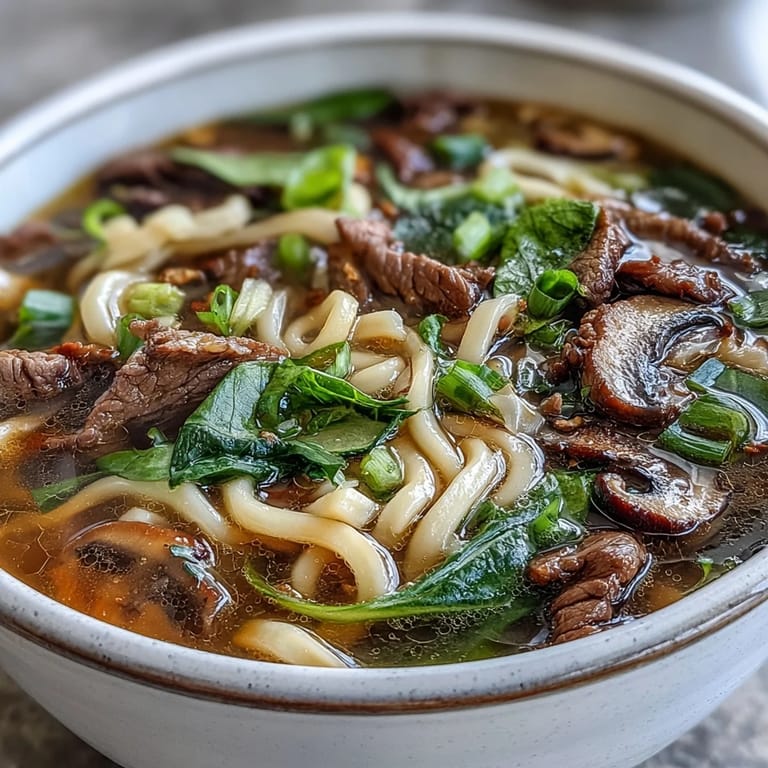
- Thinly sliced beef sirloin, boneless chicken breast, or firm tofu: Thickness matters—aim for about 1/8 inch so everything cooks in those quick minutes at the table.
- Shrimp: Buy them already peeled if it saves you time; this dish is about ease and joy, not proving anything.
- Udon or rice noodles: Cook them a minute under what the package suggests since they'll soften slightly in the hot broth.
- Baby bok choy, shiitake mushrooms, napa cabbage, carrots, corn, and scallions: These are suggestions, not rules; use whatever vegetables you like or have on hand.
- Soy sauce, chili oil, cilantro, lime, and sesame seeds for finishing: These let people make the broth taste however they want in that final moment before eating.
Tired of Takeout? 🥡
Get 10 meals you can make faster than delivery arrives. Seriously.
One email. No spam. Unsubscribe anytime.
Instructions
- Build your broth foundation:
- Combine the broth, soy sauce, miso paste, sliced garlic, ginger, and sesame oil in a large pot and bring it to a simmer over medium heat. Let it bubble gently for about 10 minutes so the garlic and ginger slowly flavor everything without falling apart, then strain out the solids if you want a clear broth (I usually do, because it looks nicer and lets people focus on what they're adding).
- Prepare the bowls:
- Divide your cooked noodles evenly among four heatproof bowls or mini hot pots—about a small handful in each one. This is the quiet part where everything looks beautiful before the cooking begins.
- Arrange proteins and vegetables:
- Spread all your sliced meats, tofu, shrimp, and vegetables on separate serving platters or small bowls so guests can see everything at once. I usually group proteins together and vegetables in another section so people don't have to hunt.
- Pour and position:
- Carefully pour the hot broth into each bowl until it comes up about 2/3 of the way, then place each bowl on a portable burner or heating element at the table. The broth should still be gently simmering when people start cooking.
- Let everyone cook their own meal:
- Guests add whatever proteins and vegetables they want to their bowls and watch them cook—thin beef and shrimp need only 1 to 2 minutes, chicken takes 2 to 4 minutes, and vegetables cook to whatever texture feels right. This is the actual magic, watching someone realize they can cook exactly what they want while you all talk and laugh.
- Finish with personality:
- Serve the dipping sauces, fresh cilantro, lime wedges, and sesame seeds on the side so each person can taste their bowl however they want in those last seconds before eating. Some people will add everything; some will add nothing; both are correct.
 Pin It
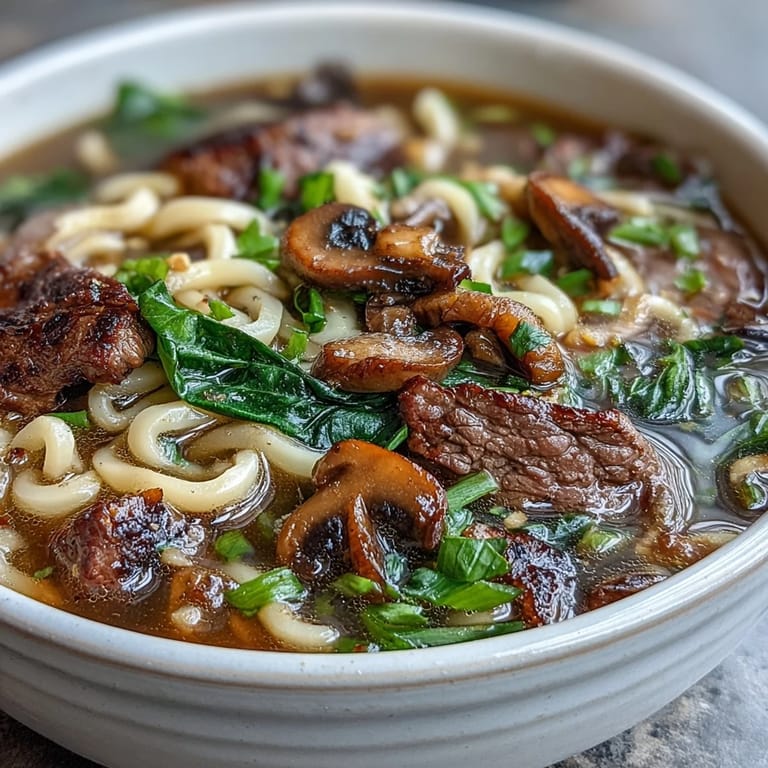
 There's a particular kind of comfort in watching someone cook their own food exactly the way they want it, especially when you're sitting across from them and can see their face when they get it just right. This dish turned out to be about way more than hot pot; it was about giving people permission to have what they actually wanted.
Setting Up for Success
The secret to this working smoothly is preparation that happens before anyone sits down—slice everything the night before or in the hour before guests arrive, so the only thing you're doing at the table is pouring broth and keeping an eye on temperature. I learned this the hard way while frantically slicing mushrooms while guests were already getting hungry, and now I treat the prep like its own event, something to do calmly while listening to music or a podcast.
Customization and Substitutions
This dish genuinely thrives on substitution because the beauty is that everyone gets what works for them—use vegetable broth instead of chicken broth for vegetarians, swap tamari for regular soy sauce for gluten-free guests, or skip the proteins entirely if someone's vegetarian. I've also added things like fresh shiitake mushrooms, thinly sliced potatoes, and even spinach based on what people said they wanted, and it's never been wrong.
Temperature and Timing Tips
The portable burners are worth investing in because they keep everything warm and cooking at the same pace, but if you don't have them, you can pour the broth fresh from the pot every few minutes (it's a bit more work but absolutely doable). The one thing I always remind people of is that thinly sliced meat cooks much faster than you'd expect—I've watched friends leave shrimp in the broth for five minutes thinking it wasn't done when it was actually overcooked after two.
- Test one piece of protein before declaring everything done; it's faster than waiting and watching.
- If the broth stops simmering, turn up the burner a notch until you see gentle bubbles again.
- Keep a kettle of extra broth warm on the side in case anyone wants to top off their bowl.
 Pin It
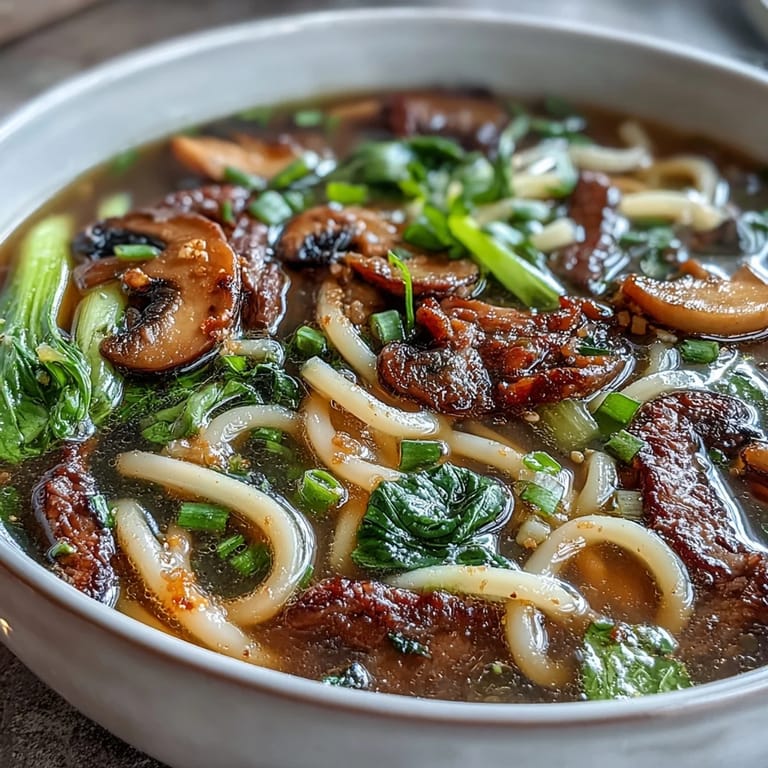
 This meal works because it asks people to participate in their own dinner, which somehow makes everyone feel cared for in a way that a finished plate never does. Serve it when you want the food to be part of the conversation, not the end of it.
Recipe FAQs
- → What types of proteins work best in mini hot pot bowls?
Thinly sliced beef, chicken breast, tofu, and shrimp all cook quickly and are ideal for individual hot pot bowls, allowing customizable and speedy preparation.
- → How should the broth be prepared for maximum flavor?
Simmer broth with soy sauce, miso paste, garlic, fresh ginger, and sesame oil for at least 10 minutes to infuse deep, savory flavors.
- → Can this dish accommodate gluten-free diets?
Yes, by substituting soy sauce with gluten-free tamari and using rice noodles, the dish is suitable for gluten-free diners without sacrificing taste.
- → What vegetables complement the mini hot pot bowls?
Baby bok choy, shiitake mushrooms, napa cabbage, carrots, corn, and scallions add freshness, texture, and vibrant flavor to each bowl.
- → How long do the proteins take to cook in the simmering broth?
Beef and shrimp cook in 1–2 minutes; chicken takes 2–4 minutes, while tofu and vegetables can be cooked based on personal preference.