 Pin It
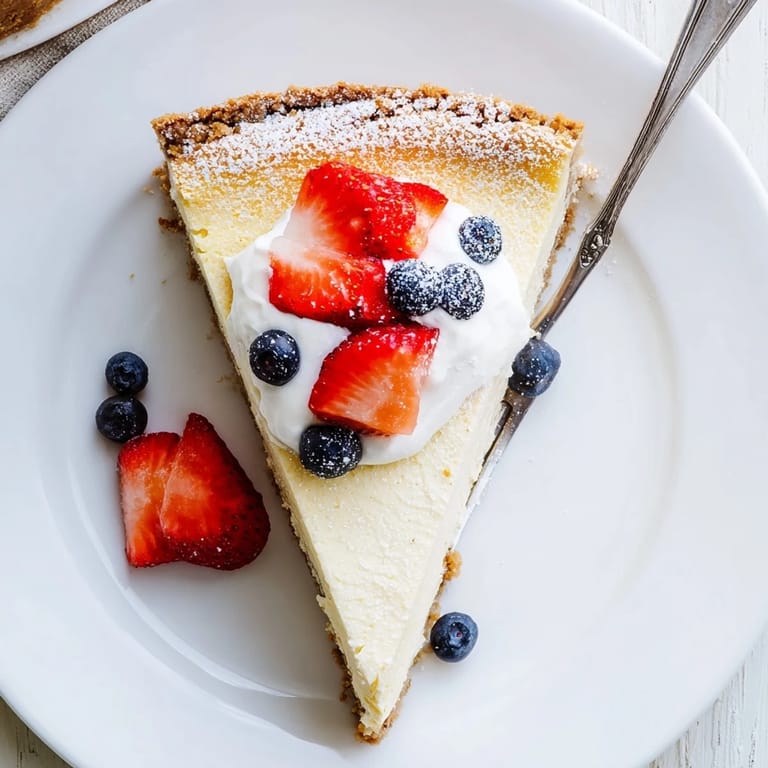
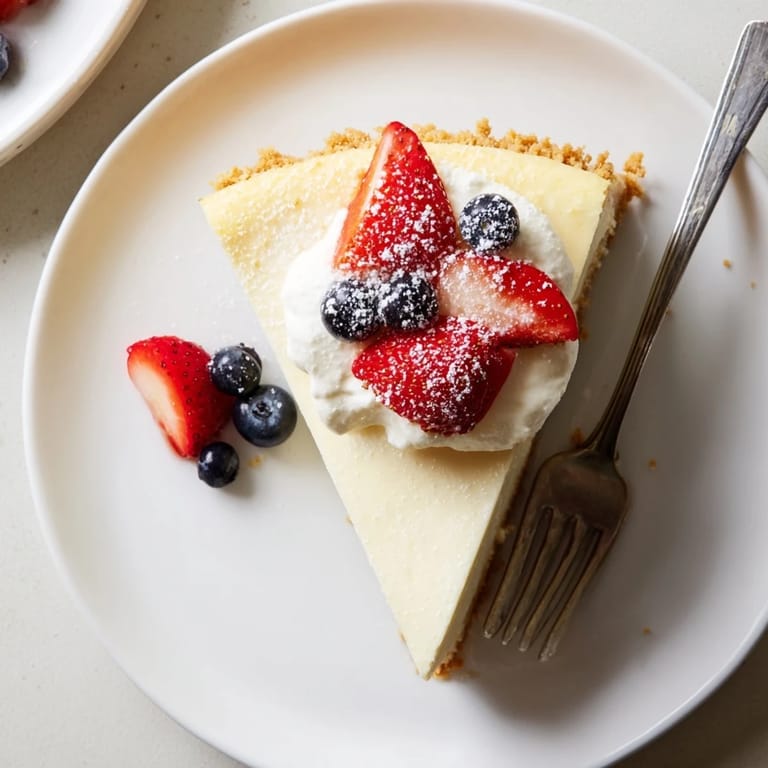
 The first time I attempted New York cheesecake, I spent three days researching techniques and obsessing over water bath temperatures. My tiny apartment kitchen smelled like vanilla and butter for a week, but that first slice changed everything about how I understood patience in baking. The texture was somewhere between velvet and silk, exactly what a proper New York style should be.
I made this for my mothers birthday last spring, and she actually went quiet for a full minute after taking her first bite. Watching her eyes close in pure dessert satisfaction made every minute of chilling time absolutely worth it.
Ingredients
- Graham cracker crumbs: These form the foundation of your crust, so fresh crumbs make a noticeable difference over store bought versions
- Unsalted butter: Melted completely so it coats every crumb evenly, creating that perfect pressable sandy texture
- Cream cheese: Full fat is non negotiable here and absolutely must be room temperature or you will fight lumps forever
- Granulated sugar: Sweetens without adding any competing flavors that might distract from the pure cheesecake taste
- Sour cream: Adds that characteristic tang and contributes to the incredibly smooth final texture
- Eggs: Room temperature eggs incorporate better and help achieve that dense New York style consistency
- Cornstarch: The secret stabilizer that helps prevent cracking while keeping the texture luxuriously thick
- Vanilla extract: Pure vanilla makes all the difference in a recipe with so few ingredients
- Fresh lemon juice: Just enough brightness to cut through the richness without making it taste lemony
Tired of Takeout? 🥡
Get 10 meals you can make faster than delivery arrives. Seriously.
One email. No spam. Unsubscribe anytime.
Instructions
- Preheat and prepare your pan:
- Heat your oven to 160°C (325°F) and grease a 23 cm springform pan thoroughly, lining the bottom with parchment paper for insurance against sticking
- Make the crust mixture:
- Combine graham cracker crumbs, melted butter, sugar, and salt in a bowl until the texture resembles perfectly wet sand that holds together when squeezed
- Press and pre-bake:
- Firmly press the mixture into your pan bottom, bake for 10 minutes until fragrant, then set aside to cool while you make the filling
- Beat the cream cheese:
- In a large bowl, beat room temperature cream cheese until completely smooth, about 2 minutes, before adding sugar and continuing until well combined
- Add flavor and structure:
- Mix in sour cream, vanilla, lemon juice, cornstarch, and salt until just incorporated, scraping the bowl to ensure everything is evenly distributed
- Gentle egg incorporation:
- Add eggs one at a time on low speed, scraping the bowl after each addition and stopping as soon as they disappear into the batter
- Fill the pan:
- Pour the filling over your cooled crust and smooth the top with a spatula, tapping the pan gently to release any trapped air bubbles
- Create the water bath:
- Place your springform pan inside a larger roasting pan and carefully pour hot water into the outer pan until it reaches halfway up the sides
- Bake to perfection:
- Bake for 55 to 65 minutes until the edges are set but the center still has that telltale slight wobble when you gently shake the pan
- The slow cool down:
- Turn off the oven, crack the door open, and let the cheesecake cool gradually for 1 hour to prevent sudden temperature shock
- Finish cooling:
- Remove from the oven, run a knife around the edge to prevent sticking, cool completely at room temperature, then refrigerate for at least 6 hours
- Add optional topping:
- Mix sour cream with powdered sugar and vanilla, spread over the thoroughly chilled cheesecake, and return to the refrigerator for another hour
- Serve properly:
- Use a hot, clean knife for each slice, wiping it between cuts, to get those perfect restaurant style portions
 Pin It
 This recipe has become my go to for dinner parties because it can be made completely ahead of time and actually tastes better the next day.
Mastering the Water Bath
I learned the hard way that wrapping your springform pan in multiple layers of foil prevents water from seeping in and turning your crust soggy. Some people skip this step, but taking five minutes to create a proper waterproof seal saves so much disappointment later.
Understanding the Jiggle
The center should wobble like Jell-O when you remove the cheesecake from the oven, not ripple like liquid. That slight movement means it will finish cooking perfectly as it cools, while a liquid center means you need more time.
Serving and Storage Secrets
Properly wrapped, this cheesecake keeps beautifully in the freezer for up to three months, which means you can always have an impressive dessert ready for unexpected guests.
- Let frozen cheesecake thaw overnight in the refrigerator for the best texture
- Bring slices to room temperature for 20 minutes before serving
- Never cover warm cheesecake or condensation will make the top sticky
 Pin It
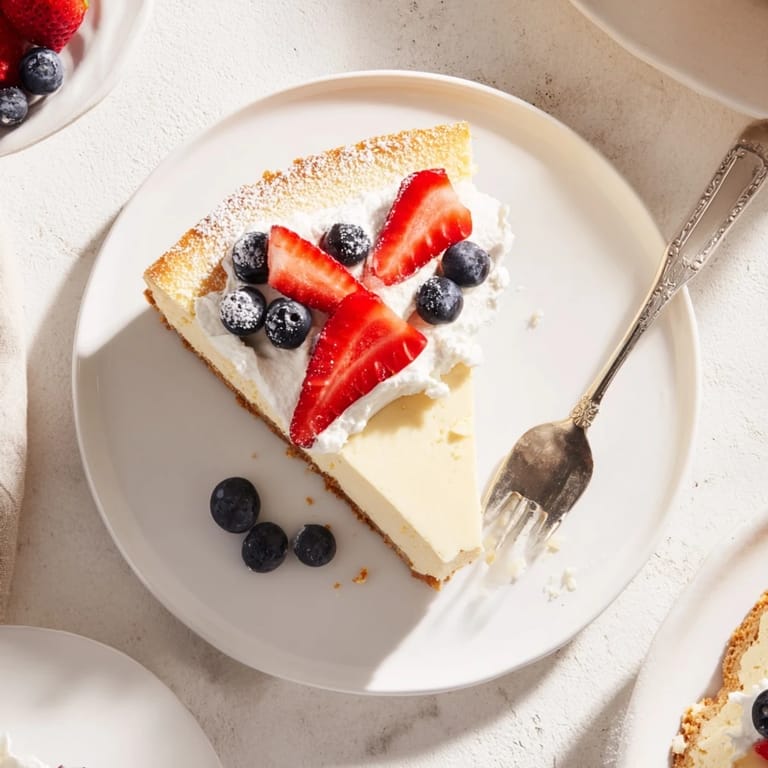
 There is something deeply satisfying about slicing into a perfectly set cheesecake you have patiently waited for, knowing every creamy bite was worth the time.
Recipe FAQs
- → What makes this New York style cheesecake different from other varieties?
New York style cheesecake is characterized by its exceptionally dense and creamy texture achieved through generous amounts of cream cheese and sour cream along with eggs. The use of a water bath during baking creates steam that prevents cracking while ensuring even gentle heat distribution. This method produces the signature rich velvety consistency that sets it apart from lighter fluffier versions.
- → Why must all ingredients be at room temperature before mixing?
Room temperature ingredients blend together seamlessly creating a smooth uniform batter without lumps. Cold cream cheese or eggs can result in a curdled texture and may require excessive mixing which incorporates unwanted air bubbles. These air pockets expand during baking causing cracks and an uneven texture. Letting everything sit at room temperature for about an hour ensures optimal emulsification.
- → How does the water bath prevent cracks from forming?
The water bath creates a humid gentle baking environment that slows down heat transfer preventing the exterior from cooking too quickly. This moisture-rich setting keeps the temperature consistent allowing the interior to set gradually without rapid expansion that causes surface cracks. The steam also helps maintain the creamy texture throughout while protecting the delicate structure.
- → Why is the cheesecake cooled in the oven with the door cracked?
This gradual cooling period prevents thermal shock which is a primary cause of surface cracking. Sudden temperature changes cause the structure to contract too quickly creating fissures. By slowly reducing the heat while allowing some airflow the cheesecake settles gently maintaining its smooth surface and internal structure. This step is crucial for achieving that pristine appearance.
- → Can I substitute the graham cracker crust with other cookie varieties?
Absolutely while graham crackers provide the classic American flavor you can experiment with digestive biscuits vanilla wafers chocolate sandwich cookies or even crushed pecans mixed with butter. Keep the ratios consistent using approximately two cups of crumbs combined with seven tablespoons melted butter and a touch of sugar for sweetness and binding.
- → How long in advance can I make this cheesecake before serving?
The cheesecake actually improves with flavor development when made one to two days ahead. After the initial six-hour chilling period it can be tightly wrapped and refrigerated for up to five days. The extended resting time allows flavors to meld and the texture to become even creamier. Wait until just before serving to add fresh garnishes or toppings.