 Pin It
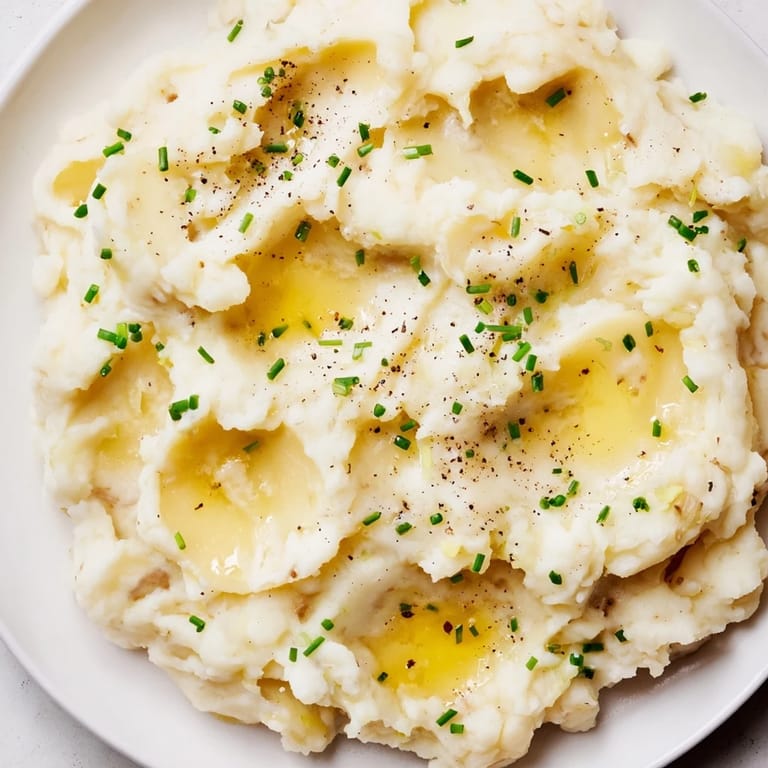
 Theres something almost meditative about standing at the stove with a wooden masher in hand, watching lump potatoes transform into clouds of creamy comfort. I discovered this truth during a particularly chaotic Tuesday when nothing seemed to go right, except these potatoes. The simple rhythm of mashing became exactly what I needed.
My grandmother insisted the secret was warming the milk first, something I dismissed as unnecessary until I actually tried it side by side with cold milk. The difference wasnt subtle. Those warm potatoes absorbed the dairy like theyd been waiting their whole lives for it.
Ingredients
- Yukon Gold or Russet potatoes: Yukon Golds naturally buttery flavor means you can use less butter while Russets give you that fluffier texture
- Unsalted butter: Room temperature butter melts into the warm potatoes evenly instead of leaving greasy pockets
- Whole milk: Warming the milk first prevents shocking the potatoes which can make them gummy
- Salt: Adding salt to the boiling water seasons the potatoes from the inside out
- Freshly ground black pepper: Freshly cracked pepper has a brightness that pre-ground loses after a few weeks
- Heavy cream or sour cream: This is entirely optional but creates that restaurant-style richness everyone notices
- Chives or parsley: Fresh herbs add color and a subtle brightness that cuts through all that creaminess
Tired of Takeout? 🥡
Get 10 meals you can make faster than delivery arrives. Seriously.
One email. No spam. Unsubscribe anytime.
Instructions
- Start with cold water:
- Place potato chunks in a large pot and cover completely with cold, salted water before turning on the heat
- Boil then simmer:
- Bring to a boil over high heat, then reduce to medium-low and cook until a fork slides through easily
- Drain and steam:
- Drain thoroughly and return potatoes to the warm pot for 2 to 3 minutes, letting excess moisture evaporate
- Add your dairy:
- Pour in warm milk and add butter, letting both ingredients soften slightly before mashing begins
- Mash to your texture:
- Mash with a potato masher or press through a ricer until you reach your desired consistency
- Season and serve:
- Taste and adjust salt and pepper, then transfer to a serving bowl and garnish with fresh herbs if using
 Pin It
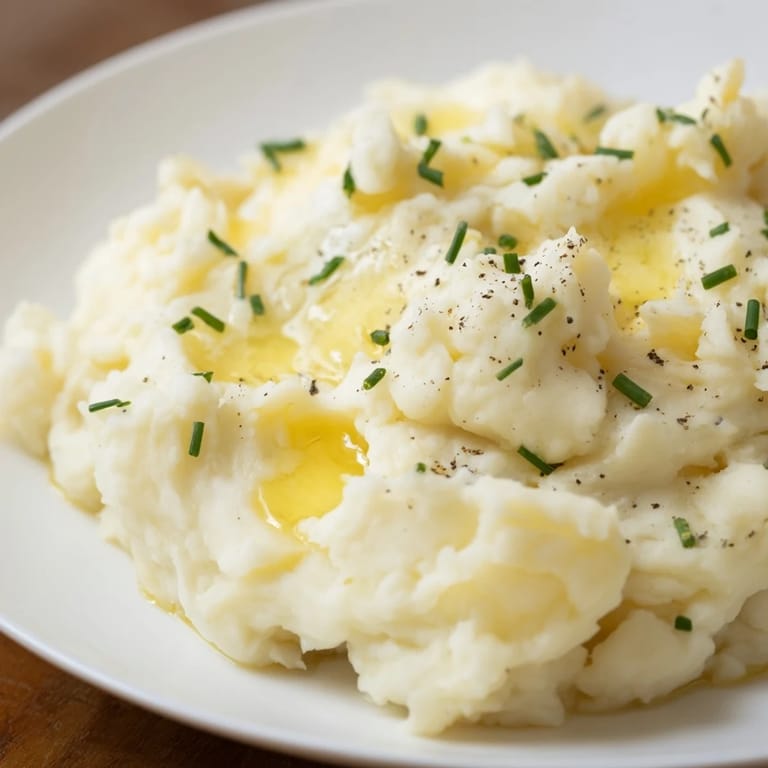
 The first time I made these for a holiday dinner, my usually reserved uncle asked for thirds. That quiet request felt like the highest compliment possible.
Making Them Ahead
I learned that mashed potatoes reheat surprisingly well if you add a splash more milk when warming them gently. This game-changing discovery means I can prep them hours before guests arrive.
Choosing Your Potato
After years of experimentation, I keep both varieties on hand. Yukon Golds for weekdays and Russets when I want that special occasion fluffiness that everyone notices.
Getting That Restaurant Texture
A potato ricer was an investment I questioned until my first batch of silky, lump-free potatoes convinced me completely. Now its the one tool I reach for every single time.
- Warm your serving bowl in the oven while you finish cooking
- Grate a little fresh nutmeg over the top for something unexpected
- Keep a pot of water hot on the stove to thin if needed
 Pin It
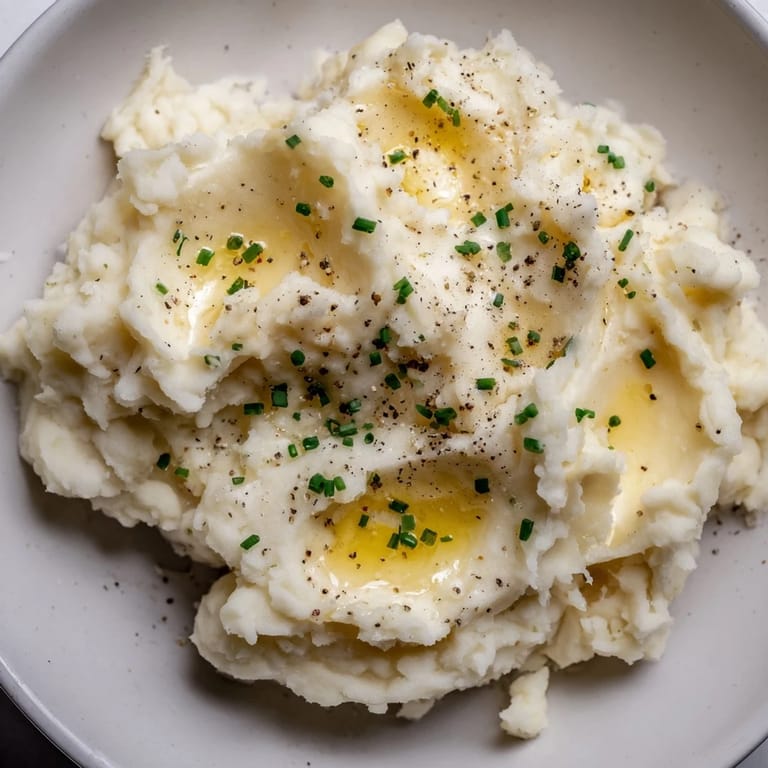
 Sometimes the most ordinary recipes become the ones we reach for most often. These potatoes have earned their permanent place in my regular rotation.
Recipe FAQs
- → What potatoes are best for mashing?
Yukon Gold and Russet potatoes both work beautifully. Yukon Golds naturally produce creamier results, while Russets become exceptionally fluffy. Either variety delivers perfect texture when cooked properly.
- → How do I prevent lumpy mashed potatoes?
Ensure potatoes are thoroughly cooked until tender when pierced with a fork. Drain well and let steam escape before mashing. Using a potato ricer eliminates lumps entirely, while a good masher works well with properly cooked potatoes.
- → Why use warm milk?
Warm milk incorporates more easily than cold, maintaining the potatoes' temperature for serving. Cold milk can cool down your dish and create uneven texture. Heat milk gently before adding for the smoothest, creamiest results.
- → Can I make these ahead?
Yes, prepare up to 2 hours in advance. Reheat gently over low heat, adding a splash of warm milk to restore creaminess. Cover tightly to prevent drying. For longer storage, refrigerate up to 3 days and reheat with additional milk.
- → How can I make them dairy-free?
Substitute butter with vegan butter or olive oil. Replace whole milk with unsweetened almond, soy, or oat milk. The technique remains the same, though the flavor profile will shift slightly depending on your chosen alternatives.