 Pin It
 There's something about the smell of softening vegetables in olive oil that makes me slow down, especially on those mornings when I'm rushing through everything else. One October afternoon, I was chopping carrots with absolutely no plan for dinner when a friend texted asking if they could stop by—and suddenly this soup became the answer. It's the kind of dish that feels fancy enough to serve to someone but honest enough that you'd make it just for yourself on a quiet Tuesday night.
I learned early on that this soup gets better as it sits, so when my partner came home from work one evening, they found the whole kitchen smelling like tomatoes and spice, and the soup had developed this deeper, richer flavor that made them ask for a second bowl before even sitting down. That's when I realized it wasn't just nutrition—it was comfort disguised as simplicity.
Ingredients
- Onion, carrots, and celery: This holy trinity of vegetables forms the foundation, and mincing them roughly the same size means they cook evenly—no mushy pieces alongside crunchy ones.
- Garlic cloves: Mince them fine so they disappear into the broth and spread their flavor everywhere.
- Canned diced tomatoes: The juice in the can is liquid gold for building flavor, so don't drain it away.
- Tomato paste: One tablespoon concentrates all that tangy tomato essence and deepens the color beautifully.
- Brown or green lentils: These hold their shape better than red lentils, giving you texture instead of mush.
- Vegetable broth: Quality matters here because it's your base—taste it before using if you're concerned about salt levels.
- Olive oil: A good glug gets everything sizzling and acts as the bridge between flavors.
- Ground cumin: Toasting it for a minute releases its warm, earthy personality.
- Smoked paprika: This isn't regular paprika—the smoke adds a subtle depth that feels almost mysterious.
- Dried thyme and bay leaf: They're quiet workers that tie everything together without shouting about it.
- Lemon juice: Added at the end, it wakes everything up and prevents the soup from tasting flat.
Tired of Takeout? 🥡
Get 10 meals you can make faster than delivery arrives. Seriously.
One email. No spam. Unsubscribe anytime.
Instructions
- Start with the base:
- Heat your olive oil until it shimmers, then add the onion, carrots, and celery all at once. You'll hear them sizzle, and that sound means they're softening and caramelizing slightly—this takes about five minutes, and you'll know it's right when the onion starts turning translucent.
- Wake up the aromatics:
- Drop in the garlic and let it cook for just one minute; any longer and it gets bitter, which would be a shame. The whole pot should smell incredible now, like the beginning of something good.
- Toast the spices:
- Add the tomato paste along with your cumin, paprika, thyme, and pepper, stirring constantly for one minute. This step is crucial because it transforms those raw spices into something rounded and sophisticated.
- Build the broth:
- Pour in the tomatoes with all their juice, then add your rinsed lentils, vegetable broth, bay leaf, and salt. Stir everything together and let it come to a rolling boil—this usually takes a few minutes.
- Let it simmer:
- Once it's boiling, turn the heat down low, cover the pot, and let it bubble gently for thirty minutes. The lentils will soften, the flavors will marry, and the whole thing becomes unified and cohesive.
- Finish with brightness:
- Fish out the bay leaf, squeeze in the lemon juice, and taste. Adjust salt if needed—this is your moment to make it exactly right for your palate.
- Serve and enjoy:
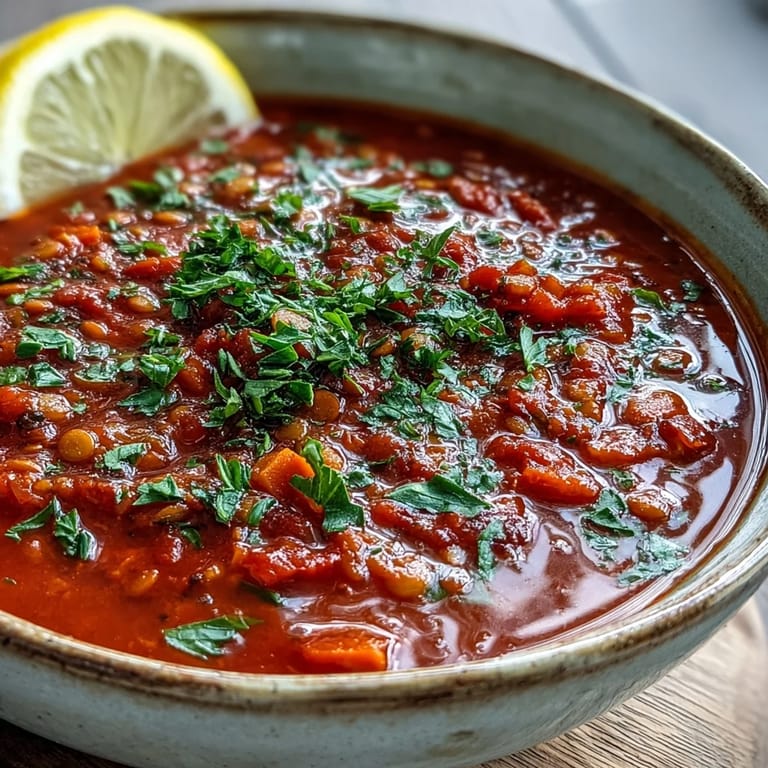
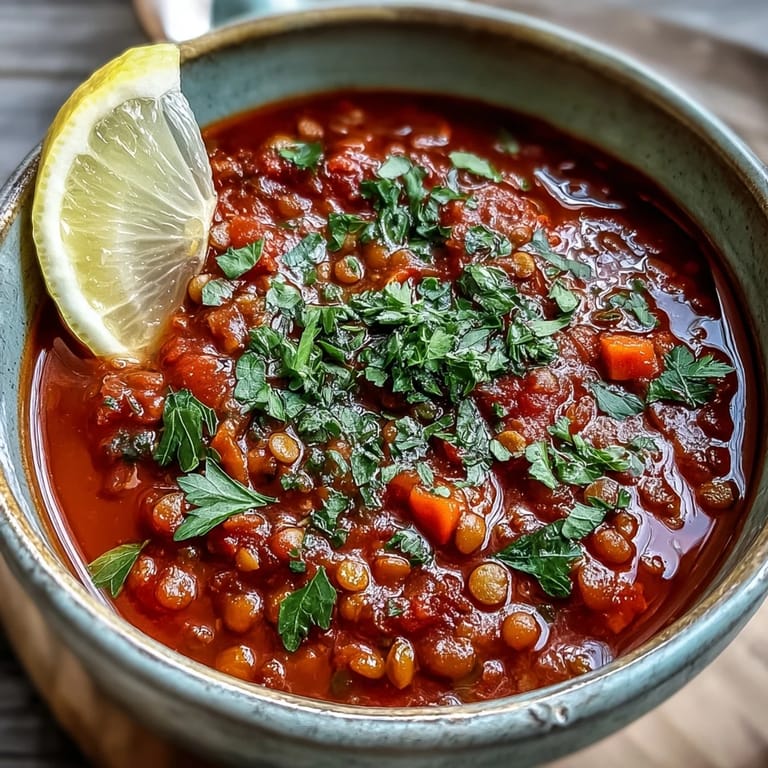
- Ladle into bowls and top with fresh parsley if you have it. The freshness of that green against the deep red-brown soup is both beautiful and delicious.
 Pin It
 My favorite moment came when someone who said they didn't really like lentils tasted this and asked what the secret ingredient was—there wasn't one, just respect for simple things done well. That's when I understood that this soup proves you don't need tricks to make something people actually want to eat.
Why This Soup Keeps Getting Made
There's a rhythm to making this soup that feels meditative rather than choreographed. The chopping gives you time to think, the simmering gives you time to breathe, and by the time it's done, you've created something nourishing without it feeling like work. I've made it on stressed weekdays, brought it to potlucks, and served it to people who were sick or tired or just needed something real. It never fails.
Texture and Adaptations
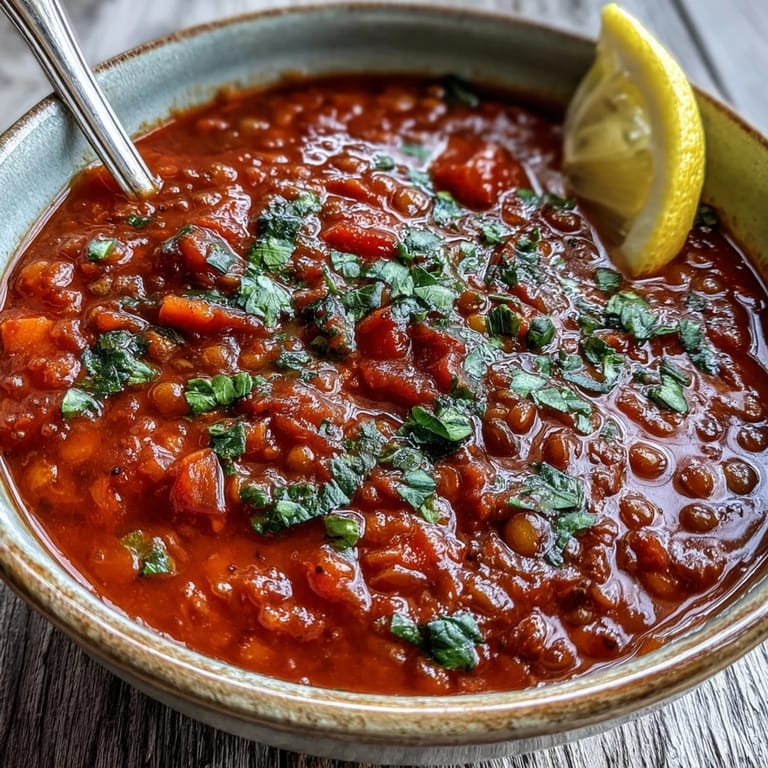
The beauty of this soup is how flexible it is once you understand the base. If you like things chunky and textured, leave it as is and let each spoonful have personality. If you prefer something more velvety, the immersion blender does the work in seconds—though I usually blend just half, keeping some texture so it doesn't feel like baby food.
Serving and Storage Wisdom
This soup is honest about its nature: it's even better the next day once all the flavors have gotten to know each other in the fridge. It reheats beautifully on the stove with a splash of water if needed, and it freezes like a dream for up to three months. Serve it with crusty bread for soaking up broth, or add a spoonful of non-dairy yogurt to swirl in for creaminess without dairy.
- Make a double batch and freeze half in portions for those evenings when you need dinner without the effort.
- Leftover soup gets more flavorful as it sits, so don't hesitate to make it a day ahead.
- Add fresh herbs like parsley or basil right before eating to keep them bright instead of turning them dark and limp.
 Pin It
 This soup has become my default when I want to cook something that feels both nourishing and unpretentious. It's proof that the most memorable meals don't need complicated techniques or rare ingredients—they just need attention and honesty.
Recipe FAQs
- → Can I use red lentils instead of brown or green?
Yes, red lentils work beautifully and cook faster. Reduce the simmering time by about 10 minutes. They'll break down more, creating a naturally creamier texture.
- → How do I store leftover soup?
Store in an airtight container in the refrigerator for up to 5 days. The soup may thicken as it sits, so add a splash of broth or water when reheating. It also freezes well for up to 3 months.
- → Can I make this soup in a slow cooker?
Absolutely. Sauté the vegetables and spices first, then transfer everything to a slow cooker. Cook on low for 6-7 hours or high for 3-4 hours until lentils are tender.
- → What can I serve with this soup?
Crusty bread, garlic toast, or a fresh green salad pair wonderfully. For added richness, top with a dollop of non-dairy yogurt or a drizzle of quality olive oil.
- → How can I make the soup thicker?
Use an immersion blender to partially blend the soup, leaving some texture. Alternatively, simmer uncovered for an additional 10 minutes to reduce the liquid, or add an extra half cup of lentils.
- → Can I add other vegetables?
Yes, spinach, kale, zucchini, or bell peppers are excellent additions. Stir in leafy greens during the last 5 minutes of cooking, or add diced vegetables with the carrots and celery.