 Pin It
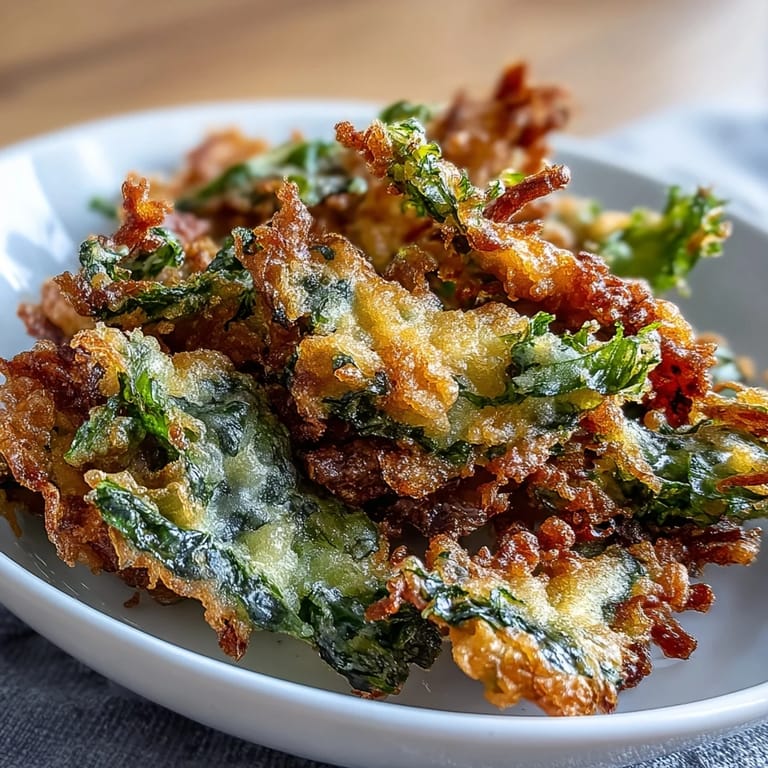
 My first encounter with seaweed tempura happened at a tiny izakaya tucked away on a Tokyo side street, where the chef fried them so quickly I almost missed it—one moment they were flat sheets of nori, the next they were impossibly golden and shattered like glass between my teeth. The umami hit different, sharp and savory in a way that made me chase another piece before the first had even settled. Years later, I realized this wasn't some mystical technique but rather the simplest magic: ice-cold batter, a flash of heat, and the restraint not to overthink it.
I made these for a dinner party once when someone asked what I was bringing, and I heard myself confidently say seaweed tempura as if I'd been making it for years. Standing in my kitchen at 6 p.m., I suddenly questioned everything—Would they even eat seaweed? Would it seem too adventurous?—but the moment the first batch emerged golden and crisp, my doubts evaporated like the oil steam. By the end of the night, the plate was empty and someone asked for the recipe, which felt like the highest compliment.
Ingredients
- Nori sheets (8 large): Quality matters here because you're tasting the seaweed directly; look for vibrant green, unbroken sheets that snap cleanly when you fold them.
- All-purpose flour (100 g / 3/4 cup): The foundation of your batter, but measure it by weight if possible for consistency that actually works.
- Cornstarch (30 g / 1/4 cup): This is the secret to that glass-like crispness; it fries up lighter and crunchier than flour alone ever could.
- Baking powder (1/2 tsp): Creates tiny air pockets that make the coating airy rather than dense and heavy.
- Fine sea salt (1/2 tsp): Enhances both the batter and the natural brininess of the seaweed without overpowering it.
- Ice-cold sparkling water (200 ml / 3/4 cup + 1 tbsp): The carbonation keeps the batter delicate; use regular water if sparkling isn't available, but chill it first.
- Egg yolk, chilled (1 large): Adds richness and helps bind the batter; keep it cold so it doesn't start cooking when it hits the hot oil.
- Neutral oil (500 ml / 2 cups): Canola, sunflower, or vegetable oil all work; avoid olive oil which will smoke at tempura temperatures.
- Soy sauce (3 tbsp): The backbone of your dipping sauce, savory and slightly salty without overwhelming the delicate tempura.
- Mirin (2 tbsp): Brings a gentle sweetness that balances the saltiness of soy; true mirin is worth seeking out.
- Rice vinegar (1 tbsp): Cuts through the richness with brightness and keeps the sauce from feeling one-dimensional.
- Sugar (1 tsp): Rounds out the flavors and helps everything meld together smoothly.
- Toasted sesame oil (1/2 tsp): A small amount goes far; it adds nuttiness that makes people wonder what that incredible depth is.
- Spring onion, finely sliced (1): Fresh, herbaceous, and necessary for texture contrast in the dipping sauce.
- Sesame seeds (1/2 tsp, optional): A final garnish that looks intentional and adds a whisper of crunch.
Tired of Takeout? 🥡
Get 10 meals you can make faster than delivery arrives. Seriously.
One email. No spam. Unsubscribe anytime.
Instructions
- Make the dipping sauce first:
- Whisk soy sauce, mirin, rice vinegar, and sugar together until the sugar completely dissolves, then stir in the sesame oil. This tastes even better if you let it sit for a few minutes before adding the spring onion and sesame seeds, which keeps them bright rather than soggy.
- Cut your nori into pieces:
- Stack the sheets and slice them into quarters with a sharp knife or kitchen scissors; 32 pieces gives you crispy snacks for a proper serving without waste.
- Combine your dry ingredients:
- Whisk together flour, cornstarch, baking powder, and salt in a mixing bowl, making sure there are no lumps hiding in the corners.
- Build the batter carefully:
- Beat the chilled egg yolk lightly, then add the ice-cold sparkling water to it before pouring this mixture into your flour blend. Use chopsticks or a fork to mix gently—lumps are your friend here because overmixing develops gluten and makes the coating tough rather than delicate.
- Heat your oil to the right temperature:
- Use a thermometer to reach 180°C (350°F); if it's too cool, the nori absorbs oil and tastes greasy, but too hot and the exterior burns before the seaweed heats through.
- Fry in small batches:
- Dip each nori piece quickly into the batter, let excess drip off, then slide it into the oil. Fry for about 30 to 45 seconds until the coating turns golden and crispy, then remove with a slotted spoon and drain on paper towels immediately.
- Serve while they're still warm:
- Arrange them on a plate with the dipping sauce on the side and eat them right away; they're best within a few minutes of frying when the contrast between crispy and tender is most pronounced.
 Pin It
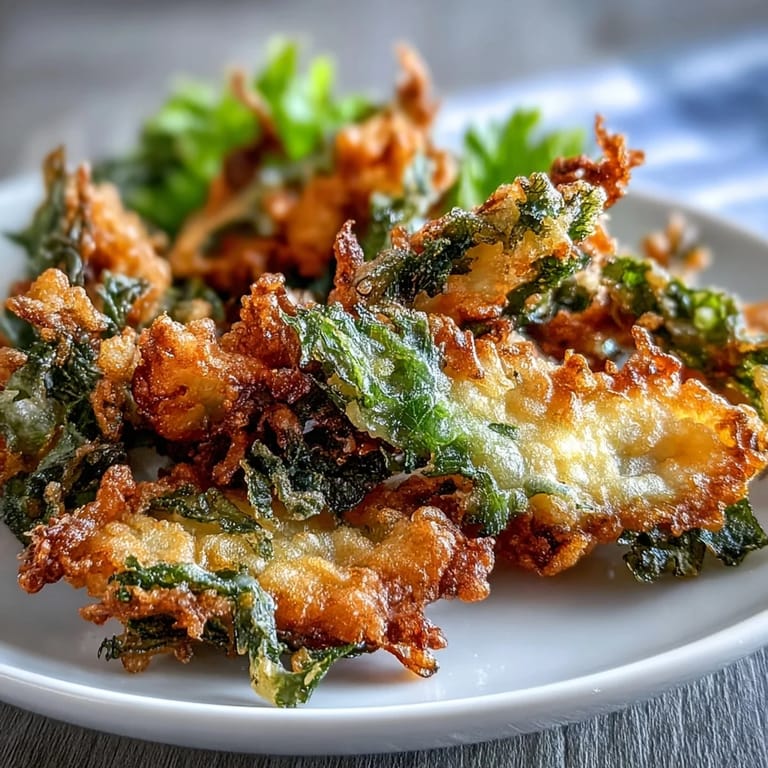
 There's a moment in cooking when you stop thinking and just move, when your hands know what to do before your brain catches up. That's what frying tempura feels like once you've done it a few times—a rhythm of dipping, dropping, waiting, fishing them out golden and perfect. It's the kind of cooking that feels like a small show, especially when someone watches with genuine curiosity about why such a simple ingredient becomes this impossible-to-resist snack.
The Science of Crispness
Tempura batter works because of the way cold ingredients behave in hot oil—the ice-cold water and egg create steam pockets that make the coating airy and crispy rather than dense. Cornstarch contributes to this by frying up lighter than flour alone, and the carbonation in sparkling water adds tiny bubbles that escape during cooking, leaving behind a delicate lattice. I spent way too long thinking tempura was some ancient secret until I realized it's actually applied chemistry, and once you understand that, you can adjust it to whatever texture you're craving.
Deepening Your Dipping Sauce
The dipping sauce is where you can play with flavors—some people add a touch of dashi for deeper umami, others finish it with a squeeze of fresh lemon, and I've seen restaurants add a whisper of wasabi if they're feeling bold. The beauty is that once you understand the base ratio of soy, mirin, and rice vinegar, you can taste as you go and adjust toward brightness or richness depending on what you need. Spring onion is non-negotiable though; it's the textural anchor that keeps the sauce from tasting flat.
Variations and Extensions
Once you master nori tempura, you'll start seeing possibilities everywhere—shiso leaves work beautifully, perilla brings a different kind of herbal note, and some cooks even batter thin slices of daikon or carrot for textural variety. The double-coating trick mentioned in the original notes creates an even crispier exterior, though it adds a few minutes to prep time and you have to work quickly so the first coating doesn't absorb too much oil. Think of this recipe as a template rather than a rigid formula.
- Add chili flakes or cayenne to the batter for gentle heat that complements the umami without overwhelming it.
- Serve alongside cold beer, hot sake, or traditional green tea depending on your mood and your guests.
- Leftovers reheat beautifully in a 180°C oven for about three minutes, though honestly they're best eaten within the first thirty minutes of frying.
 Pin It
 Seaweed tempura is proof that sometimes the most memorable dishes come from respecting your ingredients rather than complicating them. Serve these warm, eat them fast, and watch how quickly the plate empties.
Recipe FAQs
- → What type of seaweed is best for frying?
Large nori sheets work best as they crisp up nicely and provide a sturdy base for the tempura batter.
- → How can I make the batter crispier?
Keep the batter cold by using ice-cold sparkling water and avoid overmixing to maintain a light, lumpy texture that fries crisp.
- → What oil is recommended for frying?
Neutral oils with high smoke points, like canola or sunflower oil, ensure even frying without altering flavors.
- → Can I add spice to the dipping sauce?
Yes, adding chili flakes or finely chopped fresh chili enhances the savory dipping sauce with a subtle heat.
- → How should I serve the fried seaweed?
Serve warm right after frying alongside the savory dipping sauce for the best texture and flavor experience.
- → Is double-coating the seaweed beneficial?
Double-coating adds an extra layer of crunchiness and a more substantial batter coating on each piece.